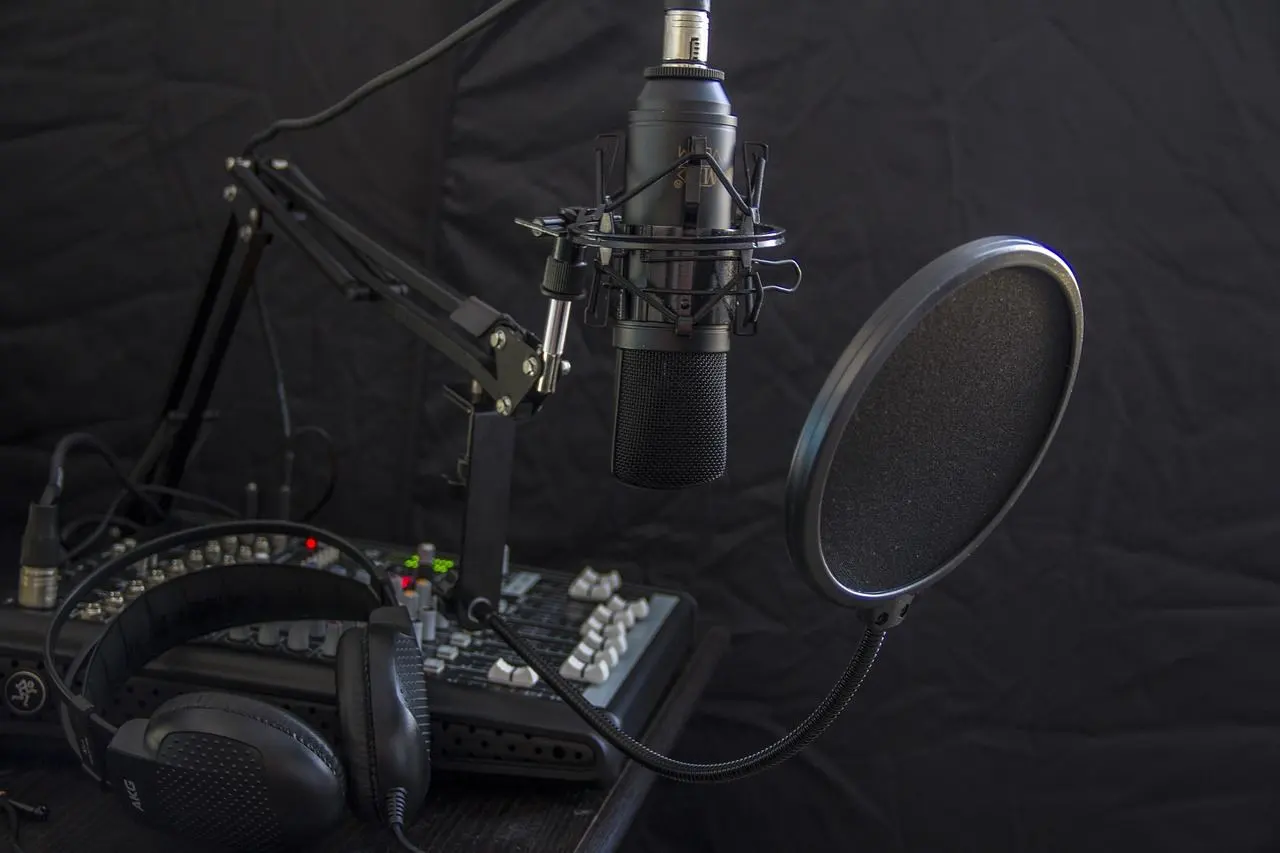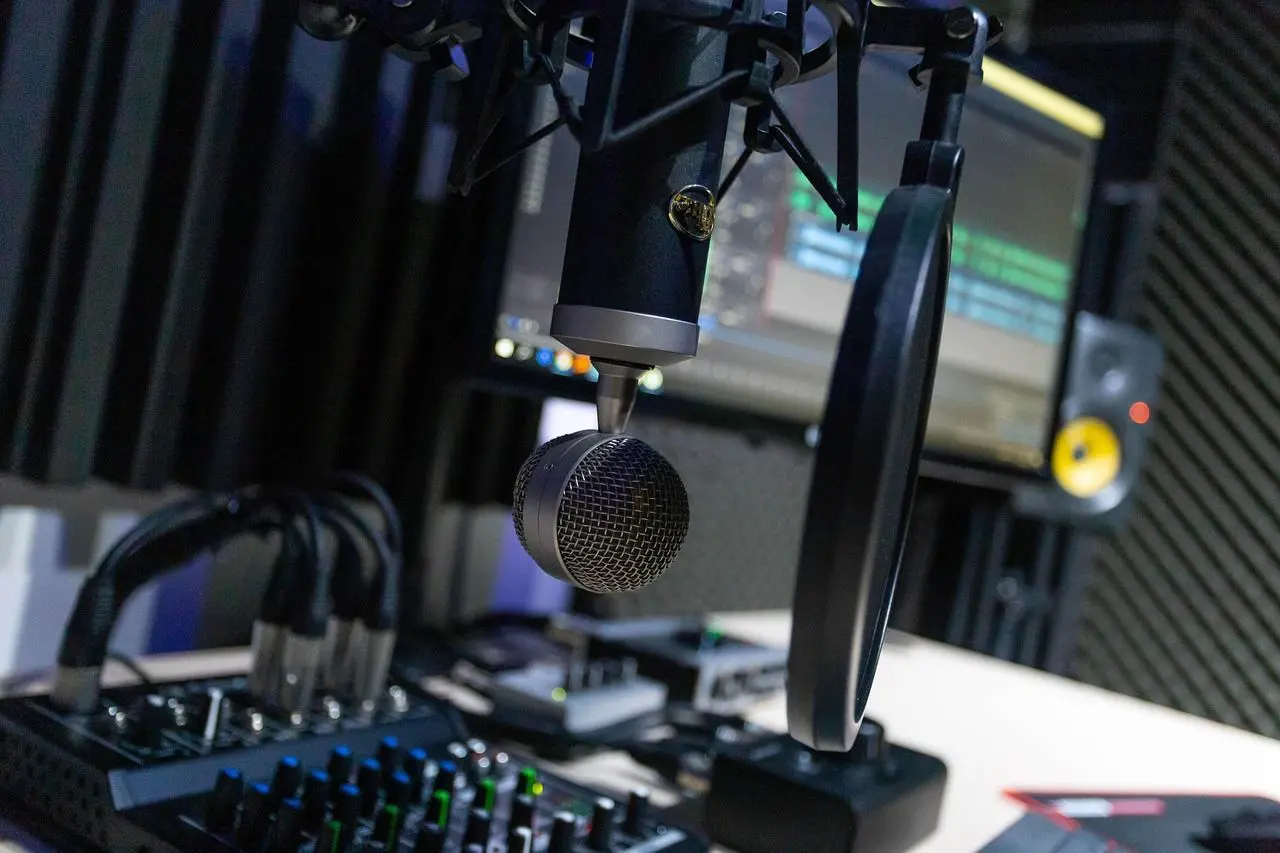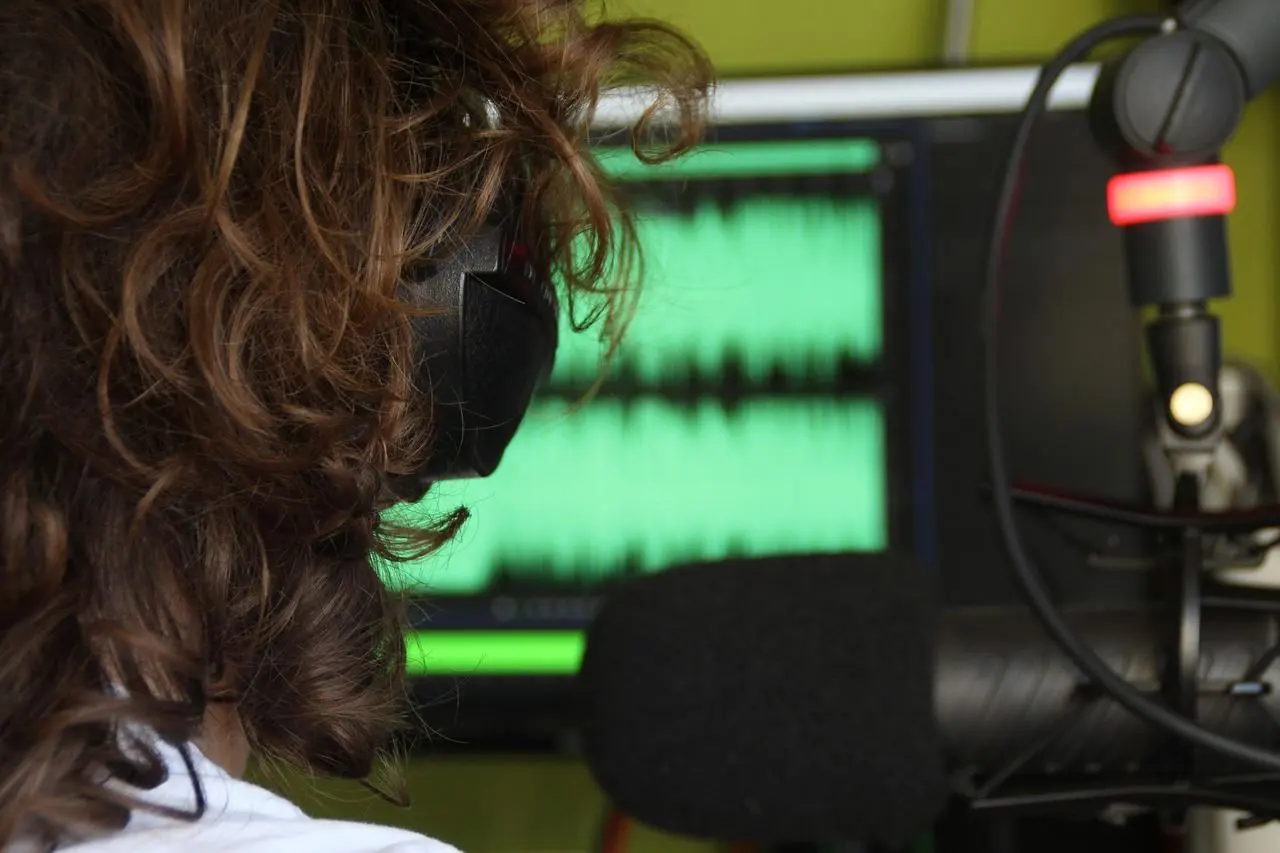

If you’re wondering what internet radio is, it’s audio streamed over the web instead of sent over the air. You can tune in or broadcast your own, and in the US a statutory license covers the music.
| Item | Value |
|---|---|
| Commercial subscription rate, 2021 | $0.0026 per performance |
| Commercial nonsubscription rate, 2021 | $0.0021 per performance |
| Noncommercial annual fee | $1,000 annually for each station or channel |
| Noncommercial monthly usage cap for that fee | 159,140 Aggregate Tuning Hours |
| Rate term of the October 2021 rule | January 1, 2021 to December 31, 2025 |
These figures come from the Copyright Royalty Board’s final rule in the Federal Register. Statutory rates are reset in periodic proceedings and the figures can change, so check the source before you rely on them.
What internet radio is and how it differs from FM
Internet radio delivers a stream of audio over an internet connection rather than from a transmitter. A station chooses the programming, and you press play in a browser, an app or on a connected speaker.
If you want the technical path from microphone to listener, the guide on how does internet radio work walks through it step by step.
The differences in reach, cost and rules from traditional broadcasting are laid out in the comparison of internet radio vs fm radio.
US law gives the format a name of its own. The Copyright Royalty Board describes licenses for commercial and noncommercial noninteractive webcasting as compulsory, which in plain terms means a programmed stream rather than an on-demand jukebox.
How listening works
Listening needs only two things: a source of streams and a device that can play them. Most people start with whatever is already in reach.
- A web browser on a laptop or phone.
- A station’s own app, or a directory app that collects many stations.
- A smart speaker or a dedicated internet radio receiver.
- A car or home audio system that can connect to a network.
Discovery is the harder part, because a stream can come from anywhere. The hub page on internet radio stations is the place to browse formats and find something that fits your taste.
A steady connection matters more than fancy hardware. If a stream stutters, the cause is usually your network or the station’s server rather than your speakers.
Broadcasting your own station
Starting a station is mostly a sequence of decisions. Taking them in order keeps the project small enough to finish.
- Decide on a format and the audience you want to reach.
- Choose the software that mixes your voice and music.
- Pick a streaming server that sends the audio to listeners.
- Set the audio quality your stream will use.
- Sort out music licensing before you go live.
- Publish the stream link and list your station in directories.
The full walkthrough sits in how to start an internet radio station, and a realistic budget is covered in the cost to start an internet radio station guide.
Your tools decide how much work each show takes. A comparison of internet radio broadcasting software helps you match features to the way you plan to broadcast.
The server side is a separate choice from the studio side. Two long-standing options are weighed in icecast vs shoutcast, and the trade-off between sound quality and listener data use is explained in the piece on the best bitrate for internet radio streaming.
Gear for listening and broadcasting
Listeners need very little. Broadcasters need a chain of equipment, and each link in it affects how the station sounds.
- Microphone: captures your voice, and a dynamic type tends to reject room noise.
- Headphones: let you monitor your mix without feedback.
- Audio interface or mixer: brings the microphone and other sources into the computer.
- Computer: runs the broadcasting software and encodes the stream.
- Network connection: carries the stream to your server, so stability beats raw speed.
Spend where listeners will notice. A clear voice and an uninterrupted stream matter more than a long list of gadgets.
Specific product types and what to look for in each are collected in the hub on internet radio equipment.

Music licensing in the US: what the rates say
In the US, playing recorded music on a webcast usually runs through a statutory license instead of a separate deal with each copyright owner. Under the Federal Register rule, eligible webcasters may perform sound recordings without an individual license from the copyright owner, provided they pay the statutory rates for the performances and for the ephemeral copy needed to transmit them.
The royalties go to a Collective, which distributes the funds to performing artists and copyright owners, according to the same Federal Register rule.
As of the Copyright Royalty Board’s October 2021 final rule, the 2021 rate for commercial subscription services was $0.0026 per performance, and commercial nonsubscription services paid $0.0021 per performance. For 2022 through 2025, both rates were tied to inflation as measured by the CPI-U, per the published determination.
Noncommercial webcasters are treated differently. The same rule sets two layers.
- A flat $1,000 annually for each station or channel, covering transmissions of up to 159,140 Aggregate Tuning Hours in a month.
- Per-performance fees on any individual channel that goes beyond that monthly cap, at $0.0021 per performance in 2021.
Those terms are stated in the 2021 determination. The rule applied to a period starting January 1, 2021 and ending December 31, 2025, so look for the Copyright Royalty Board’s newer determination before you build a budget around these numbers.
The earlier determination shows how terms shift between periods. For 2011 through 2015, it set an agreed minimum fee of $500 per year for each station or channel for the commercial webcasters in its rate table. It also bundled the ephemeral-copy royalty at 5% of the bundled remittances, as the same 2014 rule explains.
Further detail on obligations beyond these rates sits in the guide to internet radio licensing requirements. This site is independent and educational, and nothing here is legal advice.

Frequently asked questions
Is a webcast just FM radio put online?
Show answer
Not quite. A webcast travels over internet connections to each listener, while FM is sent over the air from a transmitter. Programming can be similar, but the delivery, reach and legal framework differ.
What is an Aggregate Tuning Hour?
Show answer
It is a usage measure: the length of all programming a licensee transmits, minus the running time of recordings that are licensed directly or need no license. The 2014 Federal Register determination spells out that definition.
Do the royalty rates stay the same from year to year?
Show answer
No. Rates are set for a multi-year term and then revisited, so a number from an old rule can go stale. The October 2021 rule ran through December 31, 2025, which means you should find the Board’s latest ruling.
Do these figures apply outside the US?
Show answer
They describe a US rule only. If you broadcast from or to another country, look up that country’s copyright and licensing rules before going live.